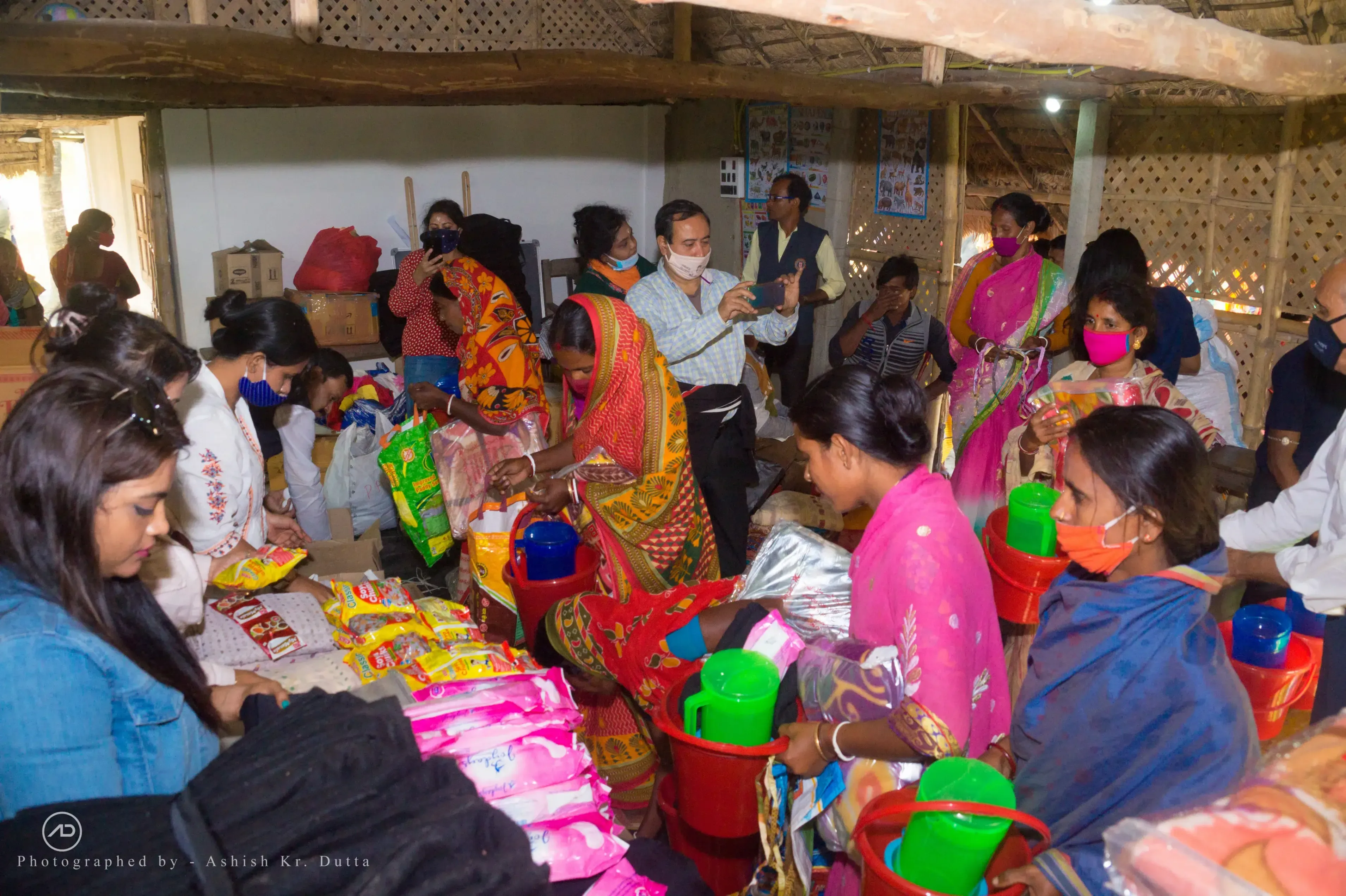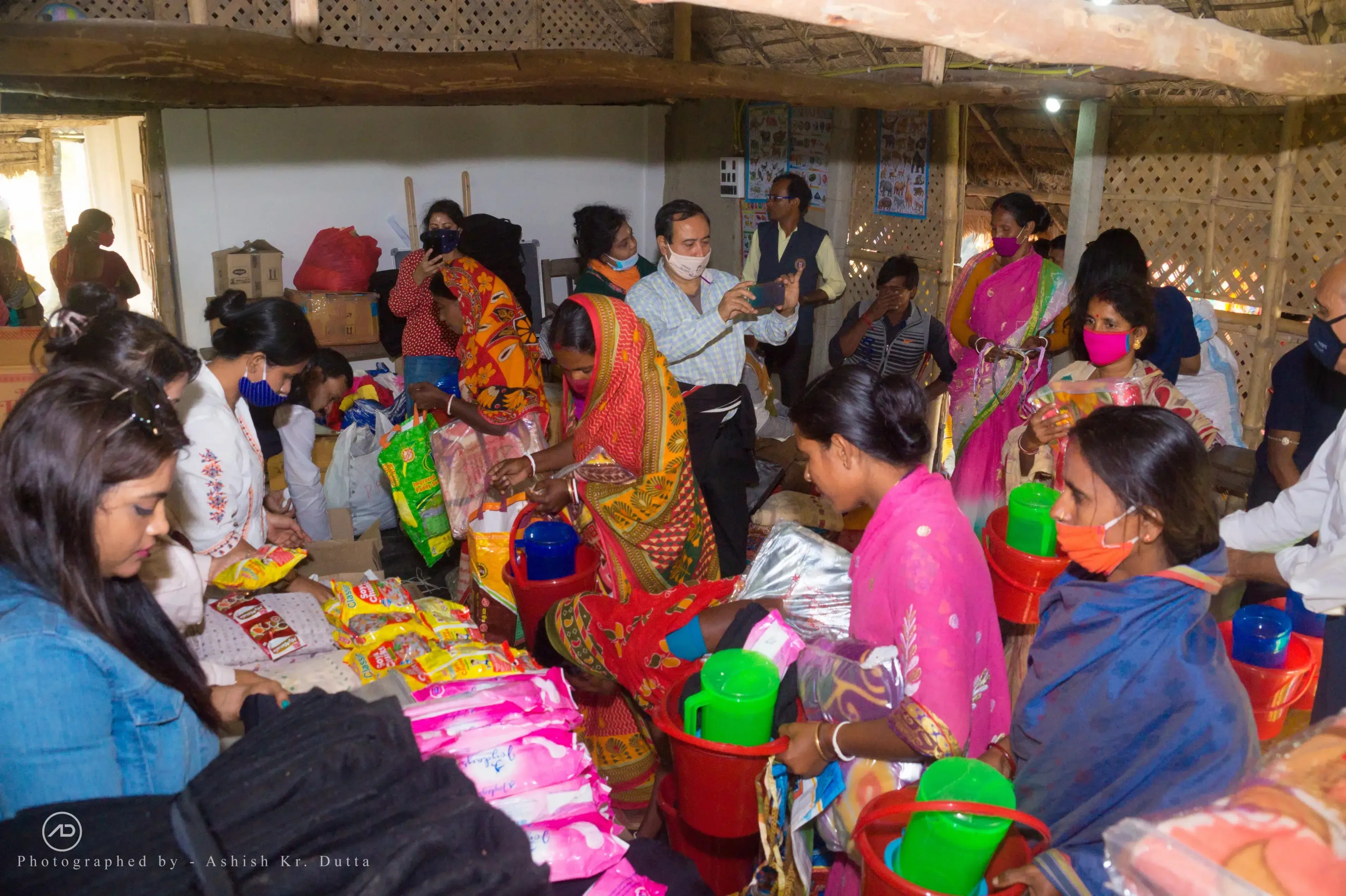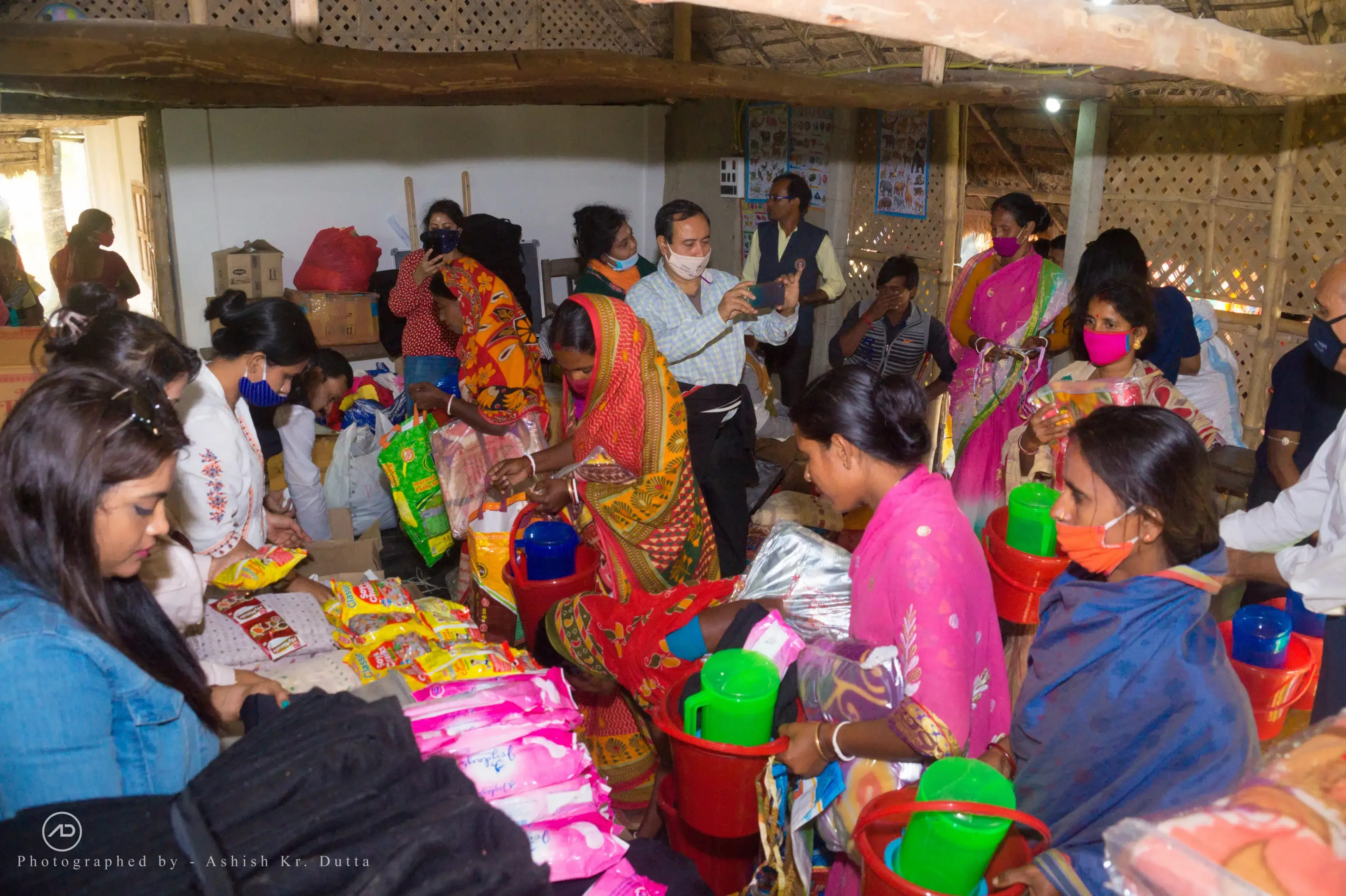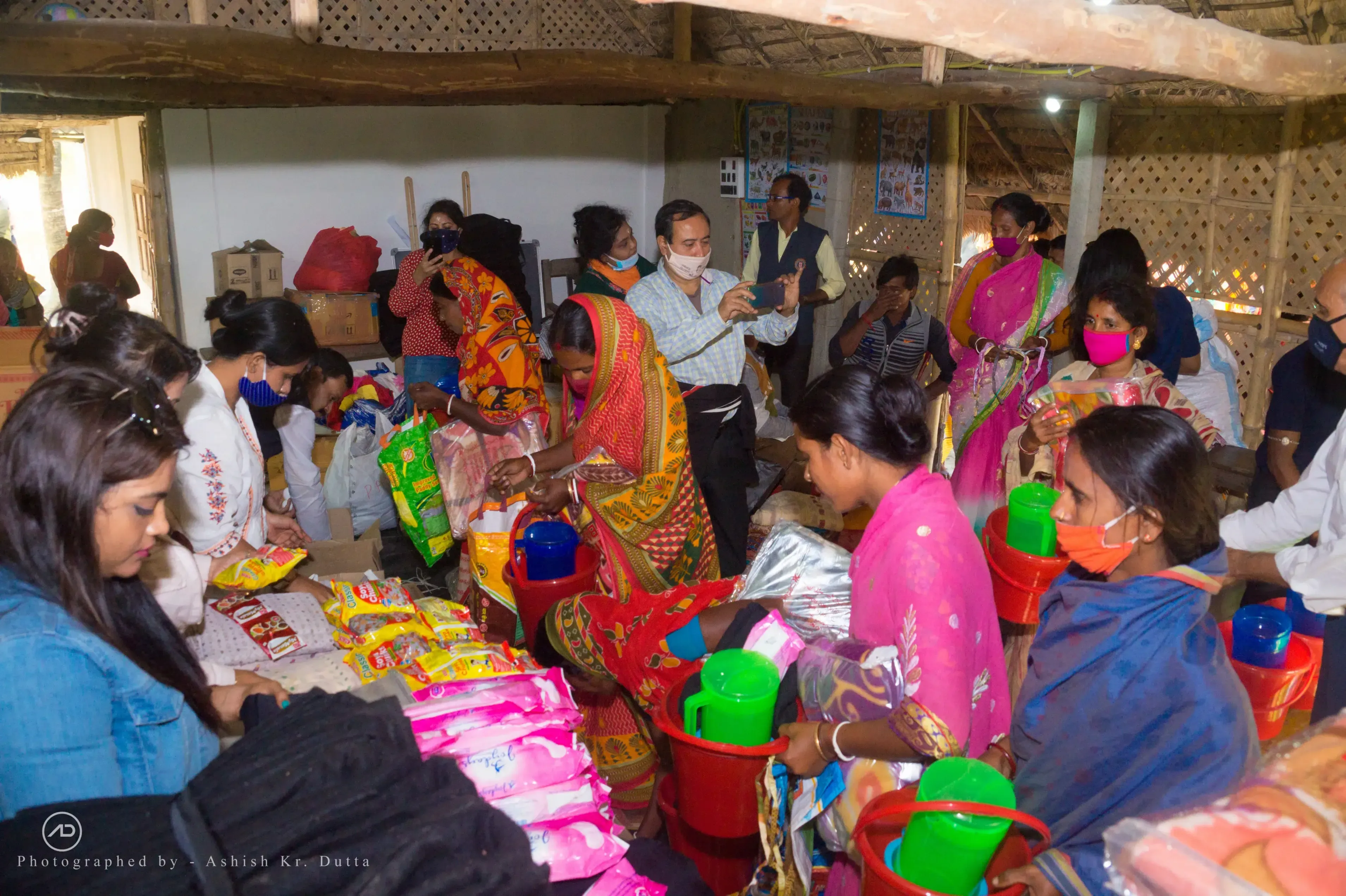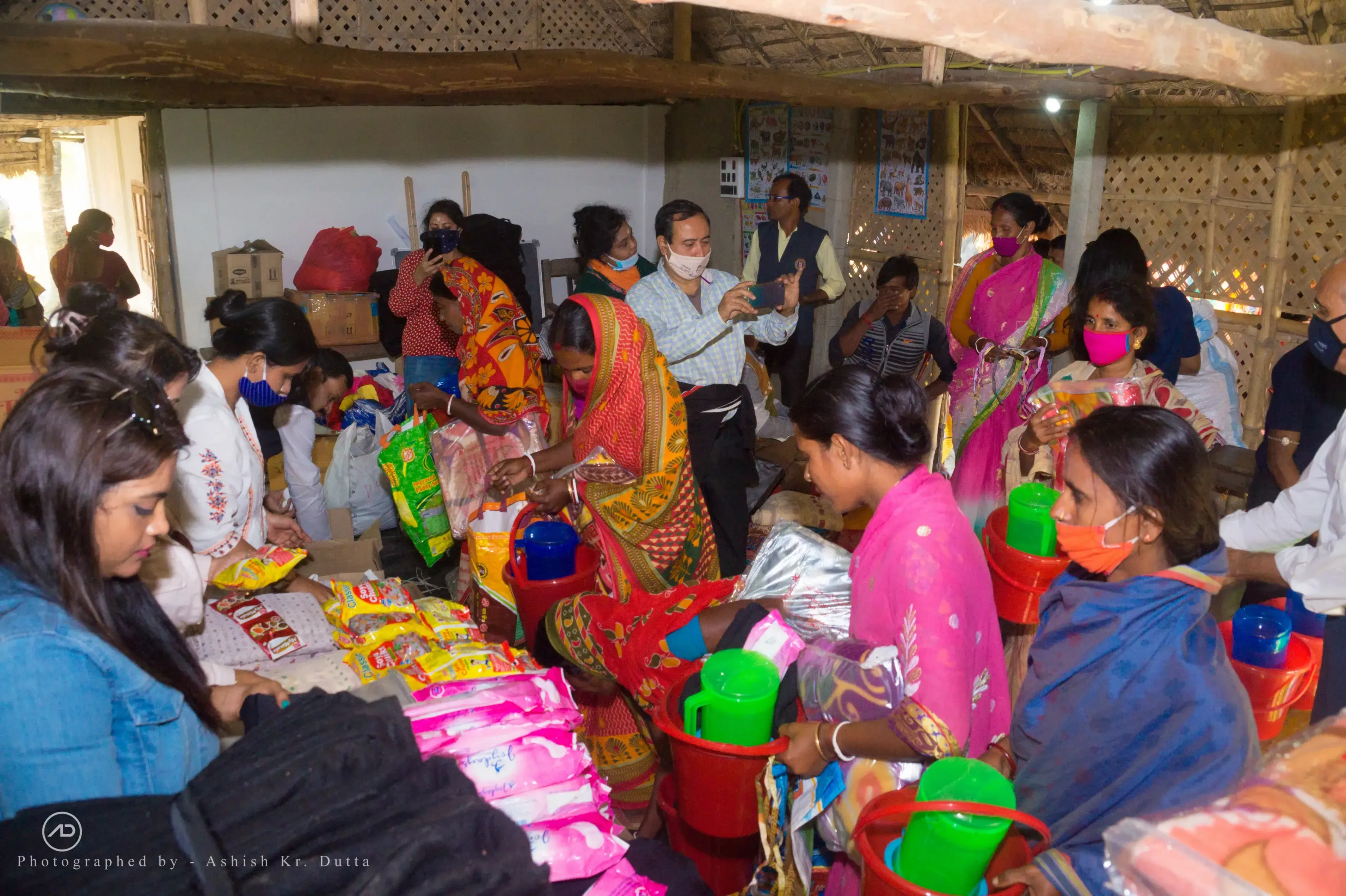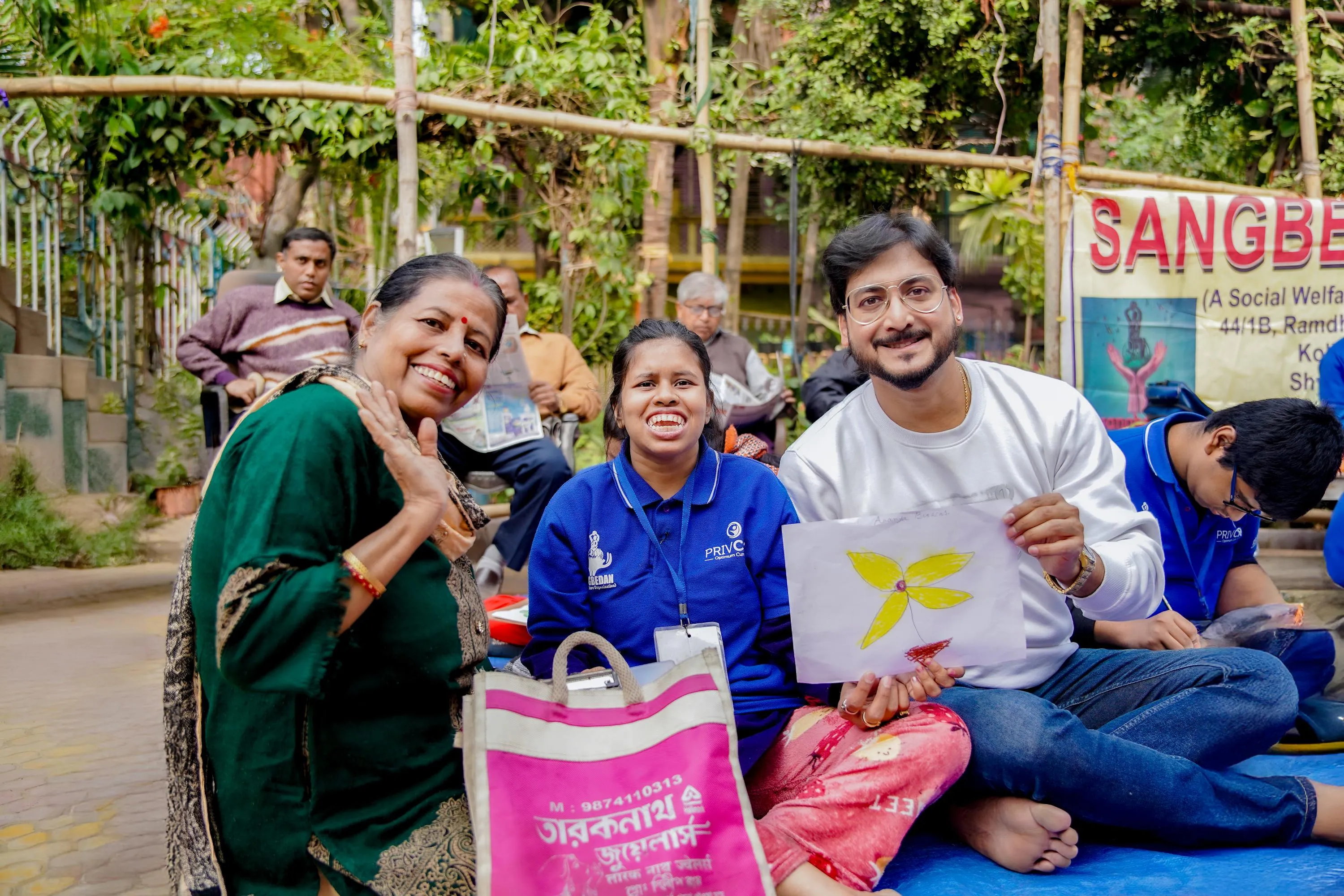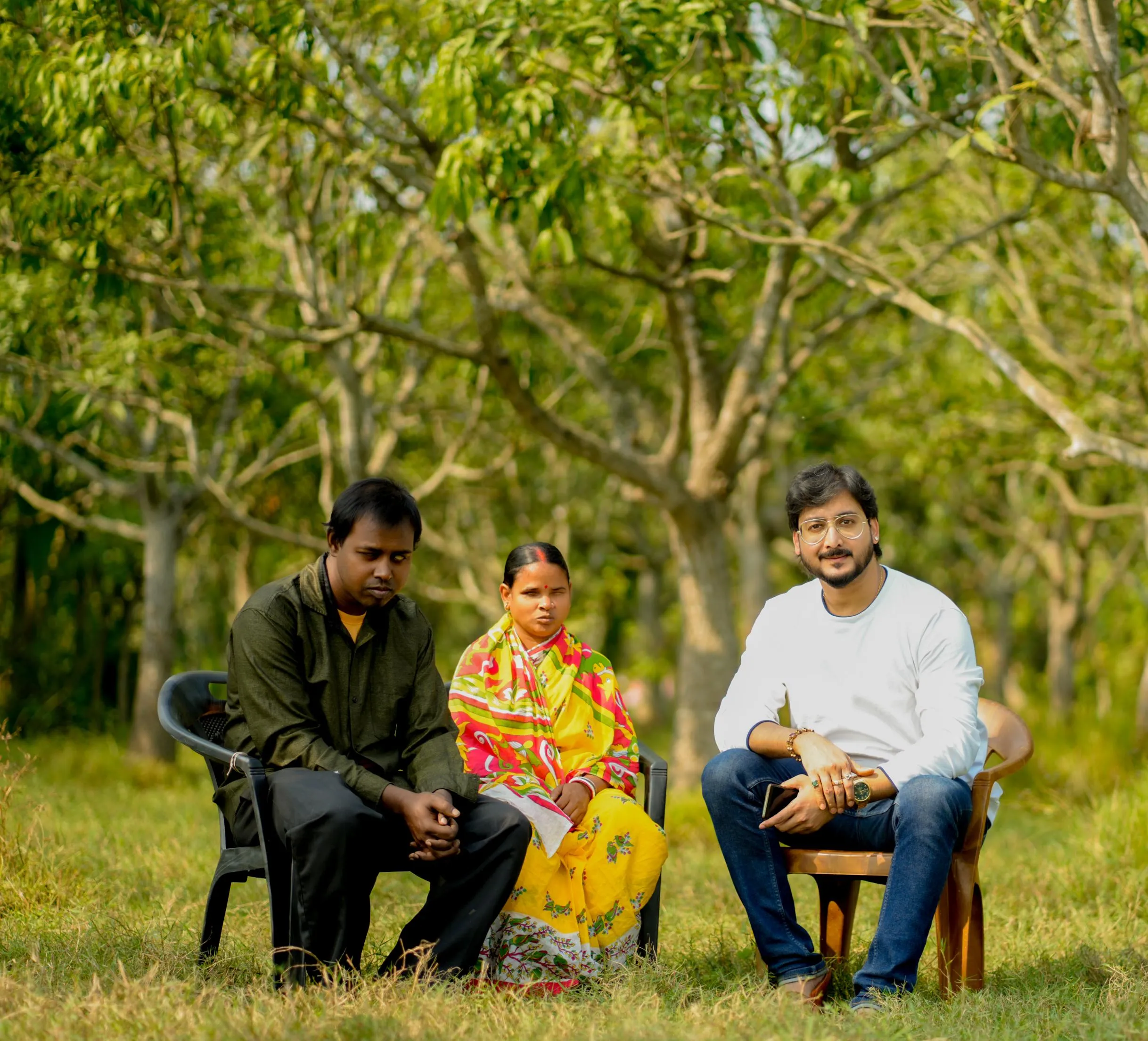
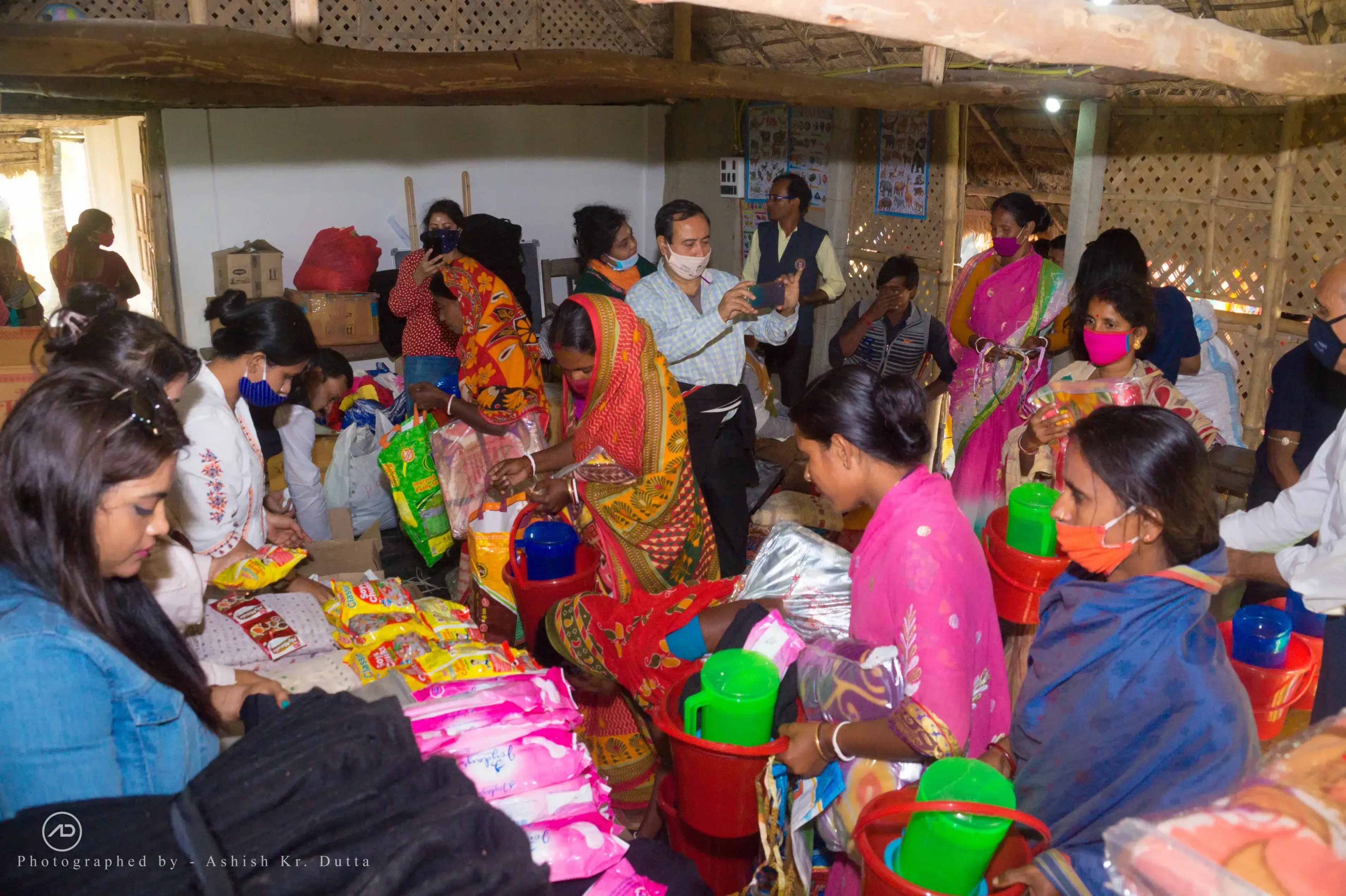
At Nabatara Foundation—Save The Soul, we believe that every child deserves the chance to discover their potential, regardless of where they are born. Through our Community Development & Child Education initiative, we stand beside families who are determined to educate their children despite difficult circumstances. By providing books, notebooks, pencils, essential learning materials, school admission assistance, and continued educational support to around 50 children, we seek to remove barriers that prevent learning. This is not simply about distributing supplies—it is about nurturing confidence, preserving hope, and helping children imagine futures that extend far beyond the limitations of poverty.
The Human Reality
Where Every Lesson Begins with Determination
For many families searching for a trusted child education NGO in Sundarbans, education represents far more than classroom learning. It symbolizes hope, dignity, and the possibility of a different tomorrow. At Nabatara Foundation, founded by Gaurav Tribedi, every child is seen not as a beneficiary but as an individual with unique dreams waiting to be nurtured. Our work begins by listening to families, understanding their realities, and walking alongside them as they strive to keep education alive despite overwhelming challenges.
The Sundarbans is widely known across the world for its breathtaking mangrove forests, rich biodiversity, and extraordinary wildlife. Visitors often admire its natural beauty, but behind these remarkable landscapes are thousands of families whose daily lives are shaped by uncertainty. Many communities are separated by rivers and waterways, transportation is limited, and seasonal weather conditions can make even ordinary travel difficult. For children, these realities influence something as fundamental as attending school regularly.
In many villages, parents leave home before sunrise to earn a livelihood through farming, fishing, daily wage labor, or other forms of informal work. Their earnings are often uncertain and depend heavily on weather conditions, seasonal opportunities, and local demand. Every day is an exercise in balancing necessities. Food, healthcare, transportation, and household expenses demand immediate attention, leaving very little room for educational costs.
A school notebook may appear inexpensive to many people living in cities, but for families already stretching every available resource, even basic learning materials can become difficult to afford. A child may carefully preserve every page because replacing a notebook is not always possible. A broken pencil is sharpened until it becomes too small to hold comfortably. School bags are repaired repeatedly instead of replaced. Uniforms are passed between siblings whenever possible. These small realities quietly shape the educational journey of many children.
Despite these obstacles, one remarkable truth remains constant. Parents continue encouraging their children to study because they understand that education offers possibilities beyond the hardships they themselves have experienced. Their commitment reflects an enduring belief that learning can open doors that poverty has long kept closed.
Education as an Act of Hope
Every morning across remote communities, children begin journeys that require resilience well beyond their years. Some travel considerable distances to reach school. During difficult weather, muddy roads and waterlogged paths become additional obstacles. School attendance is not simply a routine—it becomes a daily demonstration of perseverance.
Inside classrooms, children carry aspirations that are strikingly similar to those of children everywhere. They dream of becoming teachers, nurses, artists, engineers, public servants, entrepreneurs, healthcare professionals, or individuals who can contribute positively to their communities. Their ambitions are not limited by imagination; they are often limited only by access to opportunities.
Education provides more than academic knowledge. It helps children develop confidence, communication skills, curiosity, critical thinking, and the ability to make informed decisions throughout life. It introduces them to ideas beyond their immediate surroundings while strengthening their capacity to contribute to their own communities in meaningful ways.
This understanding lies at the heart of Nabatara Foundation's educational efforts. Rather than viewing education as a one-time intervention, the Foundation recognizes that children benefit most when consistent support helps them remain engaged in learning throughout their academic journey.
Understanding Antyodaya Through Education
One of the guiding ideas that inspires our work is Antyodaya, a Sanskrit term meaning "the rise of the last person." For readers unfamiliar with Indian philosophy, Antyodaya emphasizes that genuine progress should include those who are often left behind socially, economically, or geographically. It reminds us that meaningful development is measured not only by overall growth but also by whether opportunities reach the most vulnerable members of society.
Within remote areas of the Sundarbans, this principle becomes deeply relevant. When educational support reaches children who face multiple barriers to learning, it strengthens not only individual lives but also families and entire communities. Every child who remains in school contributes to a more resilient and hopeful future.
Closely connected is the value of Seva, which means selfless service. In Indian culture, Seva is rooted in the belief that helping others with sincerity and respect strengthens the bonds that unite society. At Nabatara Foundation, Seva is reflected through thoughtful action—listening before responding, respecting local communities, and ensuring that educational assistance responds to genuine needs rather than assumptions.
Another guiding principle is Dharma, often understood as one's responsibility to act ethically and contribute positively to society. Supporting children's education represents a shared responsibility involving families, educators, volunteers, community members, and organizations working together toward a common purpose. When each participant fulfills this responsibility, children receive stronger encouragement to continue learning.
Our work is also inspired by the idea of Kalyan, meaning collective welfare or the well-being of all. Education creates benefits that extend beyond individual students. Literate and confident young people contribute to healthier families, stronger communities, increased awareness, improved livelihoods, and greater social participation. Investing in children today supports the collective well-being of future generations.
Listening Before Acting
One lesson learned through grassroots community engagement is that every family's circumstances are different. Some children require help obtaining basic school supplies. Others need guidance during the admission process. Some families benefit from continued encouragement that helps children remain motivated throughout the school year. Effective educational support begins by understanding these unique situations rather than assuming every challenge has the same solution.
Through its Community Development & Child Education initiative, Nabatara Foundation works alongside approximately 50 children by providing books, notebooks, pencils, essential educational materials, school admission assistance, and continued educational support. Each item represents something much larger than its physical value. A notebook becomes a place where ideas are recorded. A pencil becomes a tool for imagination. Admission support becomes the first step toward long-term opportunity.
While educational materials are important, equally valuable is the message they carry: that children matter, their aspirations deserve encouragement, and their education is worth investing in. When communities experience consistent support delivered with dignity and respect, trust grows naturally. That trust becomes the foundation upon which lasting educational progress is built.
The journey toward educational opportunity in the Sundarbans is neither simple nor immediate. It is shaped by patience, collaboration, and the shared belief that every child deserves the chance to learn without unnecessary barriers. As this story continues, we will explore the deeper social and economic realities influencing children's education and the community-centered efforts that help transform hope into lasting opportunity.
The Pillars of Change
Understanding the Challenges Behind Educational Inequality
Education is often described as the foundation of progress, but for many children living in remote communities of the Sundarbans, reaching that foundation requires overcoming multiple layers of difficulty. A child's ability to learn is influenced not only by the presence of a school but also by family circumstances, economic stability, access to resources, transportation, health, and the surrounding environment.
For families experiencing financial hardship, education expenses can become a serious concern. Even when schools are available, the additional requirements of notebooks, textbooks, writing materials, uniforms, transportation, and other essential needs may create pressure. Parents often face difficult decisions when household income is limited and daily survival requires immediate attention.
This is why the work of a child education NGO in Sundarbans extends beyond simply providing learning materials. Meaningful educational support requires understanding the interconnected challenges that influence whether a child can continue learning consistently. At Nabatara Foundation, the approach is based on compassion, community engagement, and practical assistance that addresses real barriers faced by children and their families.
The Connection Between Poverty and Education
Poverty does not only affect income; it influences access to opportunities, confidence, and future choices. Children growing up in economically vulnerable households may carry responsibilities beyond their age. Some help their families with household work, support parents in daily activities, or experience interruptions in their education due to circumstances beyond their control.
In many rural communities, parents deeply value education but may not always have the resources or guidance required to support their children's academic journey. Limited access to educational information, financial constraints, and social challenges can create situations where talented children struggle to receive the encouragement they need.
Breaking this cycle requires collective action. Schools, families, communities, volunteers, and social organizations must work together to ensure that children are not defined by their current circumstances. Education becomes powerful when it is supported by an environment that allows children to focus on learning and personal growth.
The Nabatara Foundation believes that every child deserves to experience the confidence that comes from being prepared for school, participating in classrooms, and imagining a future filled with possibilities. Through continued educational support, the Foundation works to reduce some of the practical difficulties that prevent children from fully engaging with their studies.
The Role of Community-Based Education Support
Successful education initiatives begin with communities. A sustainable approach does not simply bring assistance from outside; it creates partnerships with families, local communities, and individuals who understand the realities of the area.
Community participation helps identify genuine needs and ensures that support reaches children who require it most. Parents become active partners in their children's education. Local volunteers help strengthen communication between families and support organizations. Children gain confidence when they see that their education is valued by the wider community around them.
This community-centered approach reflects the belief that development becomes stronger when people participate in creating solutions. Instead of viewing children only through the difficulties they face, the focus remains on their abilities, aspirations, and potential.
Through its educational initiatives, Nabatara Foundation works toward creating an environment where children feel encouraged to continue learning. The objective is not only to provide immediate assistance but also to strengthen the conditions that allow education to continue over time.
Creating Opportunities Through Educational Resources
For many children, having the right learning materials can make a meaningful difference in their educational experience. A child who has access to notebooks, pencils, books, and other essential supplies can participate more confidently in classroom activities and complete learning tasks with greater ease.
Through the Community Development & Child Education initiative, Nabatara Foundation provides educational resources to around 50 children in communities of the Sundarbans. These efforts include books, notebooks, pencils, essential school supplies, school admission assistance, and continued educational support.
Each form of assistance represents an effort to remove small but significant barriers. When a child receives a notebook, it supports daily learning. When a family receives admission assistance, it helps create continuity in education. When children receive encouragement, it strengthens their belief that their dreams are achievable.
Educational support is most effective when it respects the dignity of the families receiving it. The objective is not to create dependency but to provide encouragement and resources that help children continue their educational journey with confidence.
Learning Beyond the Classroom
Education is not limited to textbooks and examinations. It is about developing the ability to think, communicate, solve problems, and understand the world. For children growing up in challenging environments, education can become a pathway toward greater awareness and independence.
A child's learning journey is strengthened when communities have access to supportive programs that encourage curiosity and skill development. Initiatives such as the Digital Classroom Initiative demonstrate how technology can help expand learning opportunities by connecting students with wider educational resources.
Similarly, community-based learning support can encourage children to explore subjects beyond their regular curriculum. Exposure to new ideas helps them understand that their future possibilities are not limited by their current surroundings.
For children in remote regions, these experiences can create a stronger connection between education and personal ambition. A student who once viewed learning as a difficult responsibility may begin to see it as a pathway toward achieving personal goals.
Supporting Families Through Holistic Development
Children's education cannot be separated from the well-being of their families. When households face challenges related to healthcare, nutrition, employment, or financial insecurity, children's learning can be affected.
This understanding guides Nabatara Foundation's broader social initiatives. Programs such as Healthcare Outreach, Community Nutrition, and Livelihood Support represent different aspects of community development that contribute to stronger families.
A child learns better when basic needs are addressed. A healthy child can participate more actively in school. A family with improved livelihood opportunities may have greater ability to support education. A community with stronger awareness can create a more supportive environment for young learners.
Through these interconnected efforts, Nabatara Foundation works toward a model of development where education is supported by broader social progress.
Empowering Communities Through Collective Action
Social transformation is built through the combined efforts of many individuals. Volunteers, educators, donors, community members, and supporters all play important roles in creating opportunities for children.
The Volunteer Network of Nabatara Foundation represents the spirit of collective service by bringing together individuals who believe that compassion must be transformed into meaningful action. Volunteers contribute their time, skills, and dedication to strengthening community initiatives.
For supporters, helping a child continue education is not only an act of kindness toward one individual. It is an investment in a family's future and in the strength of the wider community. When children receive opportunities to learn, they become better equipped to participate in society and contribute positively in the years ahead.
Building Trust Through Responsible Service
Trust is one of the most important foundations of humanitarian work. Communities place their hopes in organizations that demonstrate sincerity, consistency, and respect. At Nabatara Foundation, service begins with understanding people's realities and continues through responsible implementation.
Every educational effort is guided by the principle that assistance should create dignity and opportunity. The purpose is not simply to provide resources but to stand beside children and families as they work toward a more secure future.
The journey of education in the Sundarbans reflects a larger truth: when communities come together with compassion and commitment, barriers that once seemed impossible can gradually become opportunities for growth.
The next chapter of this journey explores why sustainable empowerment matters beyond immediate support and how education can become a foundation for independence, resilience, and long-term community development.
Beyond Charity
Creating Pathways Instead of Temporary Relief
When communities experience hardship, immediate support can provide comfort during difficult moments. However, lasting progress requires something deeper than short-term assistance. It requires creating pathways through which individuals and families can gradually build confidence, independence, and resilience.
At Nabatara Foundation, education is viewed as a foundation for sustainable empowerment. Supporting children in the Sundarbans is not only about helping them attend school today; it is about creating opportunities that allow them to develop skills, confidence, and aspirations for tomorrow. A notebook, a book, or school admission assistance may appear to be a simple form of support, but for a child facing educational barriers, it can represent encouragement to continue moving forward.
A responsible child education NGO in Sundarbans must look beyond the immediate challenges and understand the larger journey of a child. Education connects with livelihood opportunities, social awareness, health, environmental understanding, and community participation. When these areas become stronger together, children receive a more supportive environment in which they can grow.
Education as the Foundation of Self-Reliance
The purpose of education is not limited to passing examinations. True education helps individuals understand their abilities, make informed choices, and participate confidently in society. For children from underprivileged communities, access to education can become the first step toward breaking cycles of poverty that have affected families for generations.
A child who receives consistent educational support gains more than academic knowledge. They develop communication skills, problem-solving abilities, confidence, and awareness of opportunities available beyond their immediate surroundings.
Over time, these abilities can influence entire families. An educated young person may become a source of guidance for siblings, support parents with greater awareness, and contribute positively to their community. This is why investment in children's education creates benefits that extend far beyond one classroom or one individual.
The Nabatara Foundation believes that every child should have the opportunity to discover their strengths. The goal is not to define children's futures for them but to provide the support and encouragement they need to shape their own paths.
Moving From Assistance to Empowerment
There is an important difference between giving support and creating empowerment. Assistance responds to an immediate need, while empowerment strengthens a person's ability to overcome future challenges.
In communities where children face educational difficulties, empowerment begins by ensuring that learning remains accessible. It continues by encouraging families to value education, supporting children's confidence, and creating awareness about the importance of continued learning.
This approach reflects the broader philosophy of Nabatara Foundation's social initiatives. Whether through education, healthcare, women's empowerment, rural development, or community support programs, the focus remains on helping people build stronger foundations for their future.
Educational support becomes more meaningful when children are not only provided with resources but also reminded that their dreams have value. A child who believes in their own potential is more likely to pursue opportunities with determination.
Connecting Education With Livelihood Opportunities
Education and livelihood are closely connected. While learning creates knowledge and awareness, skill development and economic opportunities help individuals apply that knowledge in practical ways.
For families living in economically challenging conditions, the long-term impact of education becomes stronger when combined with opportunities for sustainable income generation. When parents have improved livelihood options, children are more likely to receive continued support for their education.
Nabatara Foundation's broader community development approach recognizes this connection. Initiatives such as Livelihood Support focus on helping vulnerable communities strengthen their ability to become more financially secure.
Similarly, programs like Women Skill Building Centers encourage women to develop skills that can contribute to household stability and personal independence. When women gain confidence and economic participation, the benefits often reach children directly through improved education, nutrition, and overall family well-being.
Education for children and empowerment for families work together. One strengthens future generations while the other strengthens the present.
Building Inclusive Learning Environments
Every child learns differently, and every community has unique challenges. Sustainable education requires an inclusive approach where children are supported according to their circumstances and abilities.
For children living in remote areas, inclusion means ensuring that distance, financial limitations, or social challenges do not permanently restrict their opportunities. It means creating systems where children feel encouraged rather than excluded.
Accessibility is not only about physical distance from schools. It also includes access to learning materials, information, emotional encouragement, and supportive relationships. A child who feels valued is more likely to remain connected with education.
Through its community-based efforts, Nabatara Foundation works to strengthen the relationship between children, families, and educational opportunities. The focus remains on creating a supportive environment where learning becomes a realistic and sustainable journey.
Supporting Mental Well-Being Through Education
Behind every educational challenge is a human experience. Children facing financial hardship may carry worries that affect their confidence and concentration. Some may compare their circumstances with others and feel discouraged when they lack resources that many students consider normal.
Emotional support is therefore an important part of educational development. Children need encouragement, recognition, and positive environments where they can express their hopes and challenges.
When communities support children's education with compassion, they send a powerful message: every child has value. This recognition helps children develop self-belief and motivates them to continue learning.
The work of a responsible NGO is not only measured by materials distributed but also by the confidence created among the people served. A child's renewed belief in their own abilities can become one of the most meaningful outcomes of educational support.
Environmental Awareness and Sustainable Communities
The Sundarbans is a region where human lives and nature are deeply connected. Communities depend on the surrounding environment while also facing challenges created by changing ecological conditions.
Education provides an opportunity to develop environmental awareness among younger generations. Children who understand the importance of protecting natural resources can become responsible citizens who contribute to sustainable practices.
Nabatara Foundation's commitment to community well-being extends beyond education alone. Initiatives such as Tree Plantation encourage environmental responsibility and remind communities that social progress and environmental protection must move forward together.
For children growing up in environmentally sensitive regions, learning about sustainability can help them understand their relationship with nature and their role in protecting the world around them.
Creating Stronger Communities Through Participation
Long-term transformation becomes possible when communities participate actively in their own development. Parents, local supporters, volunteers, educators, and social organizations each contribute to building stronger systems of support.
Community participation ensures that programs remain connected to real needs. It allows solutions to develop from understanding rather than assumptions. Most importantly, it creates a sense of shared responsibility.
The educational journey of children in the Sundarbans is not created by one organization alone. It is strengthened by every person who believes that opportunity should not depend on birthplace or economic condition.
Through compassion, collaboration, and continued commitment, communities can create environments where children are encouraged to learn, dream, and achieve.
A Commitment to Long-Term Impact
The journey of supporting education requires patience. Meaningful change does not happen overnight. It develops through consistent efforts, responsible partnerships, and continued investment in human potential.
Nabatara Foundation remains committed to supporting children and communities through initiatives designed around dignity, inclusion, and sustainable progress. The purpose is not only to help children overcome present difficulties but also to strengthen their ability to face future opportunities with confidence.
Every child supported through education represents a possibility created. Every family encouraged to continue learning represents a step toward stronger communities. Every supporter who contributes to this mission becomes part of a collective effort to ensure that talent and dreams are not limited by hardship.
The next chapter explores the vision behind this humanitarian journey, the leadership philosophy of Gaurav Tribedi, and how organized service continues to create meaningful impact through compassion and responsibility.
Walking with the Vision
A Humanitarian Journey Guided by Compassion
Behind every social initiative is a belief that creates direction and purpose. For the Nabatara Foundation—Save The Soul, that belief is rooted in the understanding that service to humanity begins with compassion, respect, and responsibility. The journey of supporting children, families, and vulnerable communities is not simply an organizational activity; it is a commitment to stand beside people during their most challenging moments and help create opportunities for a better future.
The vision of Gaurav Tribedi, the founder of Nabatara Foundation, has always been connected with the idea that every individual deserves dignity and the opportunity to grow. His humanitarian approach focuses on reaching communities where support can create meaningful change, especially among those who often remain unnoticed because of social or economic difficulties.
Through years of dedication toward social service, Gaurav Tribedi has emphasized that true progress comes when communities are empowered rather than simply assisted. This philosophy reflects a deeper understanding of Seva, where service is performed with humility, empathy, and genuine concern for the well-being of others.
Service Rooted in Human Values
At the heart of Nabatara Foundation's work is a simple belief: every person has inherent value. Whether supporting children who need educational opportunities, helping families overcome difficult circumstances, assisting elderly individuals, or responding during times of crisis, the focus remains on protecting dignity.
Humanitarian work requires more than resources. It requires listening, understanding, patience, and a willingness to remain connected with communities over time. The challenges faced by underprivileged families are often complex and cannot be addressed through temporary solutions alone.
The educational support provided to children in the Sundarbans represents this approach. Providing books, notebooks, pencils, school supplies, admission assistance, and continued educational encouragement is not only about meeting immediate needs. It is about recognizing children's aspirations and helping create conditions where those aspirations can continue to grow.
A Vision Beyond Immediate Support
Many social challenges are connected. A child's education can be affected by family income, health conditions, environmental challenges, and access to basic resources. This understanding has shaped Nabatara Foundation's wider approach toward community development.
Education, healthcare, livelihood support, women empowerment, disability inclusion, environmental responsibility, and community welfare are interconnected areas of development. Strengthening one area can positively influence another.
For example, when families receive support that improves their stability, children may find it easier to continue their education. When communities become more aware of available opportunities, individuals can make stronger decisions about their future. When children receive encouragement and resources, they begin to see possibilities beyond their immediate challenges.
This holistic approach reflects the belief that sustainable development happens when people are supported emotionally, socially, and practically.
Building Trust Through Grassroots Engagement
Trust is earned through consistent action. Communities do not measure an organization only by its promises; they experience its commitment through the support it provides and the relationships it builds.
Nabatara Foundation works through community engagement, understanding local needs, and creating initiatives that respond to genuine challenges. This grassroots approach helps ensure that programs remain connected with the realities faced by individuals and families.
In educational initiatives, this means recognizing that every child's journey is different. Some children may need learning materials. Others may require encouragement to continue their studies. Families may need guidance and support to navigate educational processes.
By focusing on individual needs while maintaining a broader community vision, Nabatara Foundation seeks to create meaningful and respectful partnerships with the people it serves.
The Importance of Responsible and Transparent Service
Social organizations carry a responsibility to use resources carefully and maintain the trust of supporters, communities, and volunteers. Transparency, accountability, and ethical practices are essential foundations for meaningful humanitarian work.
As a government-registered NGO, Nabatara Foundation follows the principles of responsible nonprofit service while working toward its mission of social transformation. Every initiative is guided by the objective of creating positive outcomes for vulnerable communities.
A transparent approach helps supporters understand how their contributions create opportunities. It also strengthens relationships between donors, volunteers, and the communities receiving support.
Volunteer Spirit: The Strength Behind Social Change
Social transformation is never created by one person alone. It grows through collective effort. Volunteers bring energy, skills, compassion, and dedication that strengthen community initiatives.
The volunteer culture at Nabatara Foundation represents the belief that everyone has something valuable to contribute. Some individuals contribute time, some share professional skills, and others support through awareness and partnerships.
For educational programs, volunteers play an important role in spreading awareness about the importance of learning and encouraging communities to remain connected with educational opportunities. Their involvement helps create a stronger support system around children and families.
Volunteering is also a journey of personal growth. When individuals participate in social service, they develop a deeper understanding of community challenges and discover the power of collective compassion.
Save The Soul: A Commitment to Compassionate Action
The charitable wing Save The Soul represents the spirit of service that guides the Nabatara Foundation's humanitarian efforts. Its purpose is to extend support to individuals and communities who need care, encouragement, and opportunities to rebuild their lives with dignity.
From child education support in rural communities to assistance for vulnerable groups, the focus remains on creating meaningful connections between compassion and action.
The name reflects a broader belief that serving humanity means recognizing the value of every individual. A child's dream, an elderly person's dignity, a family's hope, or a community's resilience all deserve respect and support.
Leadership Through Purpose and Responsibility
Gaurav Tribedi believes that leadership in social service is not defined only by decisions or achievements. It is defined by responsibility toward people and the willingness to continue serving even when challenges are complex.
This philosophy encourages an organizational culture where service is approached with sincerity and dedication. Team members, volunteers, and supporters are united by a shared purpose: creating opportunities for individuals who face difficult circumstances.
The work of the Nabatara Foundation reflects the understanding that every meaningful change begins with one compassionate action. When these actions continue consistently, they create stronger communities and inspire others to participate.
Strengthening the Future Through Shared Responsibility
The educational journey of children in the Sundarbans is part of a larger mission to create inclusive development. The support provided today can influence opportunities available tomorrow.
Through collaboration with communities, volunteers, donors, and well-wishers, Nabatara Foundation continues working toward a future where children are encouraged to learn, families are supported with dignity, and communities become more resilient.
The vision is not only about addressing present challenges. It is about creating an environment where future generations have greater opportunities to dream, learn, and contribute.
A Future Built Together
Every Child Carries a Dream
Every child begins life with possibilities that are greater than their circumstances. A village, a family’s financial condition, or the challenges surrounding their childhood should never become a permanent limit on what they can achieve. Within the remote communities of the Sundarbans, children continue to carry dreams filled with hope, curiosity, and determination.
The journey of education is not always easy. Some children face difficulties that are invisible to the outside world. Limited resources, environmental challenges, and economic struggles can create obstacles that affect their learning experience. Yet behind every challenge is a child who wants to study, understand, create, and build a meaningful future.
Through its Child Education NGO in Sundarbans initiative, Nabatara Foundation continues to support children who need encouragement and educational assistance. The purpose is to help create an environment where children can remain connected with learning and continue moving toward their aspirations.
Education creates possibilities. It allows children to imagine careers, develop skills, support their families in the future, and contribute positively to society. When a child receives the opportunity to learn, the impact extends beyond that individual and reaches future generations.
A Journey of Hope and Transformation
Transformation often begins with small steps. A child receiving a notebook may begin writing more confidently. A student receiving school supplies may participate more actively in class. A family receiving admission assistance may feel encouraged to continue their child's education.
These moments may appear simple, but they represent important changes. They communicate to children and families that their dreams are valued and their efforts matter.
One young student from a remote Sundarbans community represents the spirit of many children who continue pursuing education despite difficulties. Like many children in the region, the student came from a family where daily responsibilities often created pressure and educational expenses were challenging to manage. Having access to learning materials and continued encouragement helped the child remain focused on studies.
Over time, the child began participating more confidently in school activities and developed greater interest in learning. The journey was not created by one moment of support but through continued encouragement from family, teachers, community members, and supporters who believed in the importance of education.
This story represents a larger truth: when children receive opportunities, they often discover abilities they never knew they possessed.
The Ripple Effect of Education
The impact of education reaches far beyond a single student. When children learn, families become more aware of opportunities. Communities become stronger through knowledge. Future generations benefit from improved awareness and greater access to possibilities.
An educated child may become a teacher who inspires others, a healthcare professional who serves communities, an entrepreneur who creates employment, or simply a responsible citizen who contributes positively to society.
This is why supporting education is an investment in collective well-being. The benefits may not always appear immediately, but over time, education creates stronger individuals and stronger communities.
The Nabatara Foundation believes that sustainable social development begins by creating opportunities for people to become active participants in their own future. Supporting children’s education is one important step toward building communities where individuals can grow with confidence and dignity.
The Role of Donors and Supporters
Every social mission becomes stronger through collective participation. Donors, volunteers, community supporters, and responsible organizations all contribute to creating opportunities for children who face educational barriers.
When supporters contribute toward educational initiatives, they are not simply providing materials. They are supporting a child's confidence, encouraging a family's hopes, and helping create possibilities that may continue for years.
Responsible giving is based on trust. Supporters want to know that their contributions are helping create meaningful outcomes. At Nabatara Foundation, every effort is guided by compassion, accountability, and the belief that assistance should respect the dignity of the communities being served.
A contribution toward education can help provide essential learning resources, strengthen access to schooling, and encourage children to continue pursuing their goals.
Volunteering: Becoming Part of the Story
Social change is not only created through financial contributions. Time, skills, awareness, and participation are equally valuable forms of support.
Volunteers become important partners in creating stronger communities. They help spread awareness, connect people with opportunities, support programs, and bring fresh energy to humanitarian work.
For individuals who wish to contribute beyond donations, volunteering provides a meaningful way to understand community challenges and participate directly in creating positive change.
Every volunteer action, whether large or small, adds strength to a collective mission. When more people choose compassion and participation, communities become better equipped to overcome challenges.
Building a Sustainable Educational Future
The future of education in remote communities depends on continued commitment. Sustainable progress requires consistent support, community involvement, and long-term planning.
Nabatara Foundation continues working toward a future where children are not prevented from learning because of circumstances beyond their control. The goal is to strengthen educational opportunities while encouraging families and communities to recognize the importance of learning.
Through initiatives connected with education, community development, healthcare, livelihood support, and social well-being, the Foundation seeks to address challenges from multiple perspectives.
Education becomes stronger when communities are stronger. Families become more resilient when opportunities expand. Children become more confident when they know that people believe in their potential.
A Shared Responsibility Towards Humanity
The story of children in the Sundarbans is a reminder that meaningful change begins with empathy. It begins when individuals recognize that every child deserves encouragement, support, and the freedom to dream.
The journey ahead requires collective responsibility. Governments, communities, nonprofit organizations, donors, volunteers, and individuals all have a role in ensuring that education reaches those who need it most.
The principles of Antyodaya, Seva, Dharma, and Kalyan continue to remind us that progress is most meaningful when it includes everyone. Helping a child access education is not only an act of support; it is an expression of shared humanity.
Join Nabatara Foundation in Educating Dreams
The journey of every child deserves encouragement. Every dream deserves an opportunity. Every effort toward education creates a possibility for a brighter tomorrow.
Nabatara Foundation invites individuals, donors, volunteers, and organizations to become part of this mission. Through donations, volunteer participation, partnerships, and awareness, communities can help ensure that more children receive the support they need to learn, grow, and build their future.
When we support education, we support hope. When we stand beside children, we strengthen families. When we work together, we create a future where opportunities are not limited by hardship.
Every contribution—whether through donations, volunteering, partnerships, or simply sharing the mission—helps Nabatara Foundation reach more individuals and families living with hardship. Sustained community support enables long-term transformation, dignity, and self-reliance for those in need.
Join this shared journey of compassion and social responsibility through savethesoul.in and become a part of creating educational opportunities for children who dream of a brighter future.